Every Pricing Model Changes Customer Behavior
The story of how I accidentally discovered that pricing shapes behavior more than revenue

I used to think pricing was just about deciding how much customers should pay. Running a board game cafe taught me that pricing does something much more important: it changes how people behave.
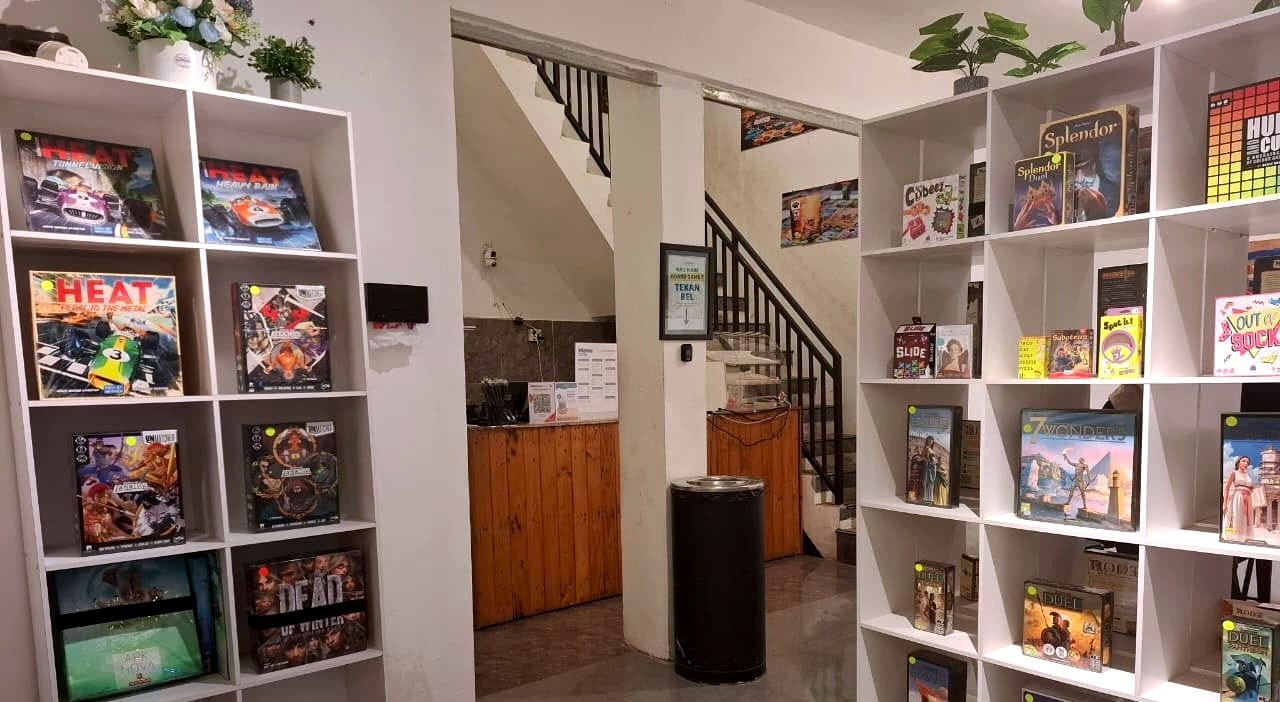
Gatherloop started as a regular coffee shop. I added a few games like UNO, Dominoes, and Monopoly for customers to enjoy for free. They loved it, so I kept buying more games every month, from inexpensive local games to heavier strategy games like Catan, Ark Nova, and Root.
I kept inviting my customers to play for free whenever I bought new games. They were excited and loved the game. We often played together until the cafe closed. But slowly, life happened. My regular gaming buddies got busy. Some of them moved to another town. Weeks passed without anyone touching the new games I kept buying.
One day I looked at the shelf and realized I had spent millions of Rupiah on games that nobody was playing anymore.
I didn’t want to sell the games. I wanted more people to actually play them. That's when I discovered board game cafes—cafes with hundreds of games along with game masters to help customer to learn and enjoy the games.
I browsed the internet to find the nearest board game cafe; it's in another city. I visited the board game cafe to understand how they charge customers for the game.
Turns out they charged per game, per person. My first reaction was “Wow, that’s expensive.” Charging per game made sense to me. Charging per person didn’t.
My customers had always played for free. Now i was asking them to pay not only per game, but also per person. I wasn't sure they would accept it.
But I decided to try it; I printed the price list and put it near the game collections, and explained it to my customers. My feeling was right: the customers who used to play for free said that the price did not make sense; they didn’t understand why they needed to pay per person. Unfortunately, I didn’t have the answer at that time.
I decided to charge only per game, and not per person. Everything went well. Now I have several customers who actually want to pay to play the game they want. This was a small step to becoming a board game cafe.
But a few weeks later, a group of students came to the cafe. One student was so excited that she paid for the game herself. She invited her friends to join. But while the game master explained the rules, her friends stayed on their phones. She kept asking them, “Come on guys, listen to the game master, just try one round“. They barely looked up.
I saw it happen again and again. The problem wasn’t the game. The problem was commitment. The only person who had paid was also the only person who felt responsible for playing.
That’s when I finally understood why other board game cafes charged per person. It wasn’t just about making more money. It was about making sure everyone sitting at the table had chosen to play.
I changed the pricing strategy: if you want to play a game, every group member must pay. This sounds more expensive, but it turned out to be much more effective.
Before paying, group started asking each other:
”Do you actually want to play ?”
”Which game should we choose ?”
”Are we all in ?”
Those conversations had never happened before.
The new pricing model solved one problem. But it created a new problem. Most customers didn’t enjoy heavy strategy games. They preferred simple and fun party games.
But party games introduced a different problem. They’re quick. After five or ten minutes, people want to try another game. Under a per game pricing model, every new game meant paying again. Customers weren’t happy about that.
I was wondering whether there was a way for people to play all the games without paying more. I wanted customers to stop thinking about the cost of the next game and simply enjoy exploring the collection.
So I did more research and found another pricing strategy: charging customers per hour instead of per game. Now they can play as many games as they want, and we simply track how long they play. That's why we charge by the hour rather than by the game.
Looking back, I thought pricing was simply about deciding how much customers should pay.
I was wrong.
Every pricing model changed how people behaved. Charging per game made one person commit. Charging per person made the whole group commit. Charging by the hour encouraged customers to explore more games instead of worrying about paying for the next one.
Since then, I’ve stopped asking, "How much should I charge?"
Instead, I ask, "What kind of customer behavior am I trying to encourage?"